
Someone says, “We should do something nice for the team this year.”
Everyone agrees.
Then the questions arrive. How many people? Are partners invited? Dinner or cocktails? A Friday evening or a weekday lunch? And who is actually organizing all of this?
Planning a company holiday party becomes easier once you settle five things: the purpose, guest list, budget, date options and event format. Those decisions give you something concrete to discuss with a venue.
If you’re organizing a celebration in Chicago’s western suburbs, here’s how to turn that first conversation into an evening your team can enjoy.
Decide What You’re Celebrating
A holiday party can be a thank-you to employees, a chance for different departments to connect or an opportunity to recognize important milestones.
Choose the main purpose before adding activities.
An employee appreciation dinner might call for a warm welcome, a short recognition moment and plenty of time to socialize. A gathering that includes clients may need a different guest list, seating arrangement and tone.
Write down a simple goal: “We want our team to enjoy dinner together and feel appreciated.”
That sentence can help you decide what belongs in the program. It can also help you keep the party from becoming another lengthy meeting.
Set the Guest List Before Requesting Proposals
“About 100 employees” is not necessarily a guest count.
Will partners be invited? Are you including remote employees, another office, retirees or clients? Will the event be adults-only or include families?
Those choices affect the room, meal, entertainment and total cost.
Give the venue an estimated attendance range and explain what it includes. Then ask when the final count is due and how changes are handled.
Make the invitation clear about who is invited. An RSVP form should collect the information you actually need, including guest names, meal selections if applicable, and a way to share dietary or accessibility requests.
Build a Budget You Can Compare
Before comparing proposals, decide which expenses your budget needs to cover.
Common categories include:
- Event space and room setup.
- Food and beverage service.
- Staffing and any applicable service charges.
- Taxes.
- Entertainment and audiovisual equipment.
- Décor, signage and photography.
- Transportation or overnight accommodations.
- Employee gifts or recognition items.
Ask each venue to identify what is included, what is optional and how the total changes with attendance.
A price per person is useful, but it doesn’t answer every question. Ask about minimums, deposits, payment dates and the cost of extending the event. Request clarification on how service charges and gratuities are handled.
Keep an allowance for changes rather than committing the entire budget to the first proposal.
Bring a Few Date Options
Before settling on a date, check the company calendar, important deadlines and the needs of employees traveling from other locations.
A weekday lunch, an early evening reception and a weekend dinner each ask something different of your guests.
Consider whether people will come directly from work, need to arrange childcare or travel home afterward. If your team works different shifts, think about how those employees can participate.
When contacting venues, bring two or three possible dates. If December is difficult for your business, you can also discuss a January appreciation event.
Ask about current availability and pricing for each option. Don’t assume a particular weekday or month will automatically cost less.
Choose a Format That Fits Your Team
A seated dinner creates a shared experience and gives a recognition program a clear place in the evening. It also requires time for seating and meal service.
A reception with substantial food and room to mingle can suit a group that wants to move around and catch up. Make sure there is enough seating for people who prefer or need it.
A lunch can be a useful option when an evening gathering would be difficult for your team.
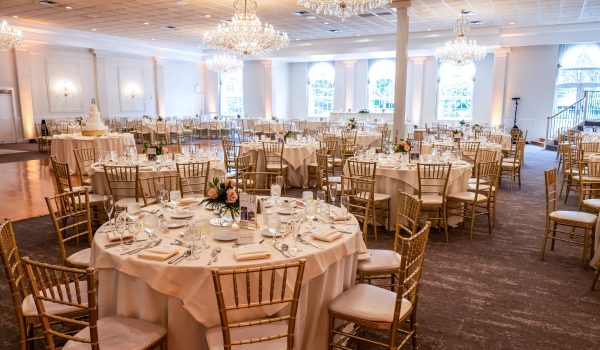
Describe your priorities to the venue and ask which formats and menus are available for your date and guest count. Abbington’s corporate event spaces offer several room configurations, with banquet and catering services available on-site.
Make Food and Drinks Part of the Planning
Choose the menu with the length and timing of the event in mind. If the invitation promises dinner, guests should know they can expect a full meal.
Collect dietary requests early and discuss them directly with the venue. Agree on how special meals will be identified and delivered rather than leaving those details to the evening itself.
For beverages, ask which service options are available and make nonalcoholic choices easy to find. Confirm the service hours and how they fit around dinner and the program.
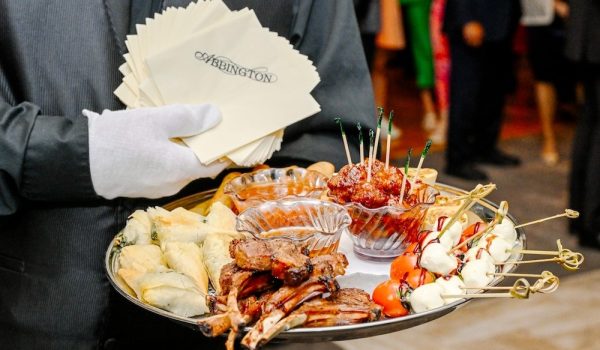
You can explore Abbington’s food and beverage offerings as a starting point for that conversation.
Keep the Recognition Program Focused
People appreciate being thanked. They also appreciate having time to enjoy the party.
Decide who will speak, which awards will be presented and how long the entire program should take. Share that limit with every presenter.
Confirm name pronunciations, prepare any slides beforehand and identify who will hand out awards. Ask the venue about the microphone, screen, sightlines and time for an equipment check.
If you’ve invited partners or guests who don’t know the business well, keep the remarks understandable to them, too. A brief explanation of someone’s contribution can mean more than a long list of internal project names.
Give the Evening a Simple Schedule
Here’s an illustrative plan for a four-hour dinner celebration:
- 6:00–6:45 p.m.: Arrivals, drinks and conversation
- 6:45–7:00 p.m.: Seating and a brief welcome
- 7:00–8:15 p.m.: Dinner
- 8:15–8:35 p.m.: Employee recognition and thank-you remarks
- 8:35–9:45 p.m.: Entertainment, dancing or relaxed conversation
- 9:45–10:00 p.m.: Closing remarks, goodbyes and departures
Adjust this example with your venue once the menu and program are established. It is a planning illustration, not a quoted package or guaranteed service schedule.
If you’re adding a photo booth, group activity or performance, decide where it fits. Avoid scheduling so much that guests never get time to talk.
Make Arrival and Departure Easy
A good invitation answers the practical questions: where to go, when to arrive, what to wear, where to park and how to get home.
For a team spread across the western suburbs, look at the actual starting points of your guests. Consider office locations, nearby hotels and whether a group shuttle would be useful.
Abbington is in Glen Ellyn near I-88 and I-355, with on-site parking for more than 400 vehicles. When requesting a proposal, discuss your group’s arrival pattern, transportation needs and any accessibility arrangements.
If you arrange transportation, share the pickup location and return times in advance. Leave room in the plan for winter travel delays rather than building the evening around an exact commute time.
Use a Final Planning Checklist
Before the event, make sure you have:
- Confirmed the guest count and venue deadlines.
- Shared dietary and accessibility requests.
- Approved the menu, beverage arrangements and room layout.
- Finalized speeches, awards and entertainment.
- Confirmed equipment needs and vendor arrival times.
- Sent guests the location, parking and transportation details.
- Named one company contact for questions during the event.
Assign those tasks to specific people. “Someone is handling it” is difficult to follow up on.
Give Your Team a Celebration Worth Attending
A thoughtful company holiday party gives people a chance to feel appreciated, enjoy a good meal and spend time together outside their usual routine.
Start with a clear purpose. Keep the planning practical. Leave enough room in the evening for people to relax.
If you’re considering a holiday celebration in Chicago’s western suburbs, contact Abbington Distinctive Banquets with your estimated guest count, preferred dates and event ideas. We’ll help you explore the options for bringing your team together.