You know what time your reception starts. You know what time it ends.
It’s everything in between that can be surprisingly difficult to picture.
When should dinner begin? Do speeches happen before or after the first dance? How do you fit in cake, family photos and a full dance floor without spending the entire evening watching the clock?
A useful wedding reception timeline gives each part of the celebration enough room to happen. For a six-hour reception, a starting point is one hour for arrivals and cocktails, roughly two hours for seating, dinner and formalities, and the remaining time for dancing and your final celebration.
The exact order is yours to shape with your venue and vendors. Here’s one way it could work.
A Sample Six-Hour Wedding Reception Timeline
Imagine a reception running from 6 p.m. until midnight, with the ceremony taking place beforehand.
- 6:00–7:00 p.m.: Guest arrival and cocktail hour
- 7:00–7:15 p.m.: Guests find their tables; wedding party prepares for introductions
- 7:15–7:30 p.m.: Introductions, first dance and a brief welcome
- 7:30–8:45 p.m.: Dinner, with short toasts at agreed points during service
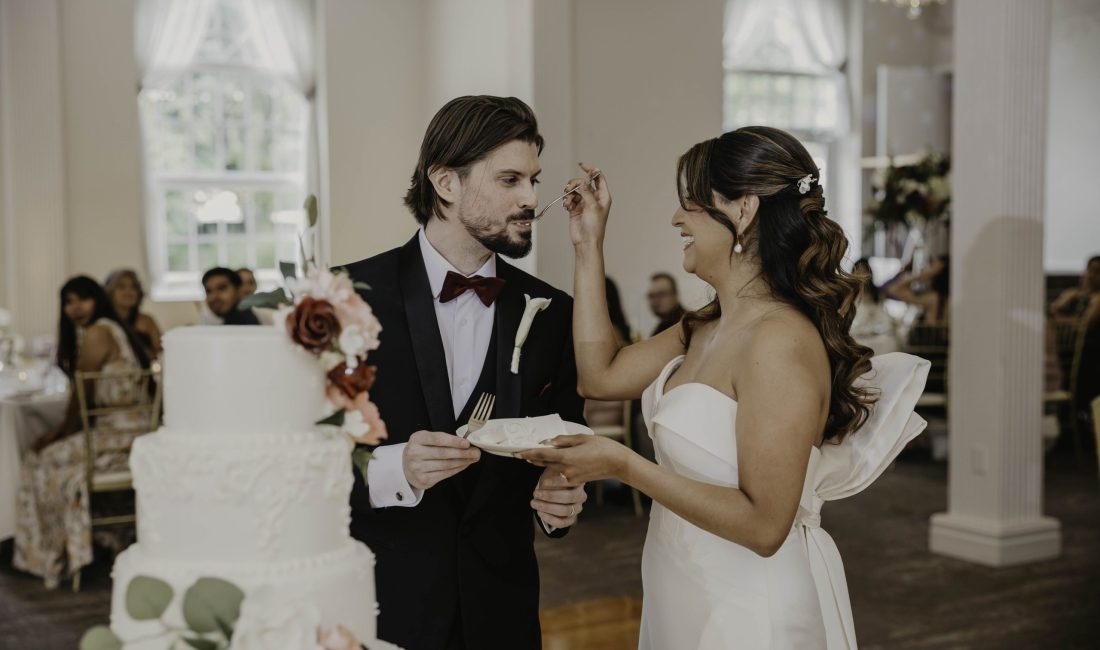
- 8:45–9:00 p.m.: Cake cutting and parent dances, if included
- 9:00–11:45 p.m.: Open dancing, dessert service and time with guests
- 11:45 p.m.–midnight: Final song, goodbyes and guest departure
This is an illustrative schedule, not a required Abbington program. Your meal, traditions, guest count and entertainment will affect the timing. Confirm service windows and the event end time with your venue before sharing the final version.
At Abbington Distinctive Banquets in Glen Ellyn, our Grand and Prestige wedding packages both list six-hour receptions. That gives you a helpful framework for discussing how you’d like the evening to unfold.
Start With Dinner and Work Around It
It’s tempting to build the timeline around the big moments: your entrance, your first dance, the song that gets everyone moving.
But dinner deserves an early place in the conversation.
Your culinary and service teams need a schedule that works for the menu and the number of guests being served. A multicourse dinner needs different pacing from a reception built around food stations. Even two seated dinners can require different timing.
Ask your venue how much time to allow for your chosen meal. Then coordinate speeches, dances and other moments around that recommendation.
Nobody wants a beautifully prepared entrée waiting while an unexpected round of speeches takes over the room.
Give Cocktail Hour a Clear Purpose
Cocktail hour gives guests time to arrive, settle in and begin catching up. It can also give you a window for photographs, depending on your ceremony and photography plans.
Decide in advance how you want to use it.
If joining your guests is a priority, discuss which photographs can happen earlier. If you’ll be taking family portraits, give your photographer a list and make sure the people involved know where to be.
Remember the transition into dinner, too. Guests need time to finish conversations, find their table assignments and get seated. Your wedding party needs to gather for introductions.
Those minutes belong in the schedule.
Choose Where Your First Dance Fits
A first dance immediately after your entrance can feel natural: everyone is already watching, and the moment flows directly into the welcome and dinner.
You can also save it until after the meal to open the dancing portion of the evening.
Neither choice is mandatory. Think about what feels comfortable, then ask your DJ or band, photographer and venue how it affects the rest of the program.
If you’re including parent dances or other special dances, group them thoughtfully. A few connected moments can flow more smoothly than repeatedly stopping and restarting the party.
Keep Toasts Thoughtful and Manageable
A heartfelt toast doesn’t need to become a long presentation.
Choose your speakers beforehand, give each person a clear time allowance and let them know when they’ll be called. For example, asking three speakers to aim for three minutes each gives everyone a useful starting point.
Then allow a little extra time for introductions, applause and handing over the microphone.
Coordinate the exact timing with the banquet team. A pause between courses may work well; a moment when servers are carrying plates through the room may not.
Your DJ or emcee should have the final speaker list. An open invitation for anyone to take the microphone can change the evening’s timing very quickly.
Plan Cake Cutting and Dessert as Separate Moments
The photograph of you cutting the cake and the moment guests receive dessert do not have to happen at exactly the same time.
Ask your venue how much time the service team needs after the ceremonial cut. That conversation helps you avoid placing cake cutting so late that guests are already preparing to leave.
It’s also worth checking your photography coverage. If your photographer leaves before the reception ends, schedule the moments you want professionally documented within that window.
The timeline should reflect the services you’ve booked.
Protect Time for the Dance Floor
If dancing matters to you, give it a real place in the schedule.
A long dinner, extra speeches and several separate activities can gradually use up the time you expected to spend celebrating with everyone. Decide which traditions you want, which you can combine and which you can skip.
You can also greet guests during more than one part of the evening. Trying to visit every table during dinner may leave you rushing through your own meal.
Talk through the options with your venue and entertainment team. A good plan gives you room to enjoy the celebration, too.
Check the Details That Don’t Appear on the Invitation
The guest-facing schedule is only part of the plan.
Before finalizing it, confirm:
- When vendors can arrive, unload and begin setup.
- When the room must be ready for guests.
- The agreed meal and beverage-service windows.
- Who can authorize a timing change during the evening.
- When music ends and guests need to depart.
- When personal items, gifts and décor will be collected.
A six-hour reception does not automatically mean six hours of every individual service. Confirm bar-service timing separately from the overall event window, along with any setup or collection arrangements.
Our guide to what a wedding venue handles for you can help you prepare that conversation.
Share One Final Schedule
Your photographer, entertainment team and venue should all be working from the same version.
Include the important times, key contacts and any family or cultural traditions that need specific preparation. If something changes, send the updated version to everyone involved.
Leave some breathing room around transitions. Moving guests, gathering family members and introducing speakers all take time.
For the decisions that happen months before the reception, use our wedding planning timeline alongside this evening schedule.
Build an Evening You Can Enjoy
Your wedding reception timeline should help you feel present. You want time to eat, hear the toasts, spend a few minutes with your favorite people and enjoy the dance floor.
Start with the moments that matter to you. Give your venue and vendors room to coordinate the details. Then let the schedule support the evening.
Planning your reception in Chicago’s western suburbs? Contact the Abbington team to discuss your date, guest count and the celebration you have in mind.